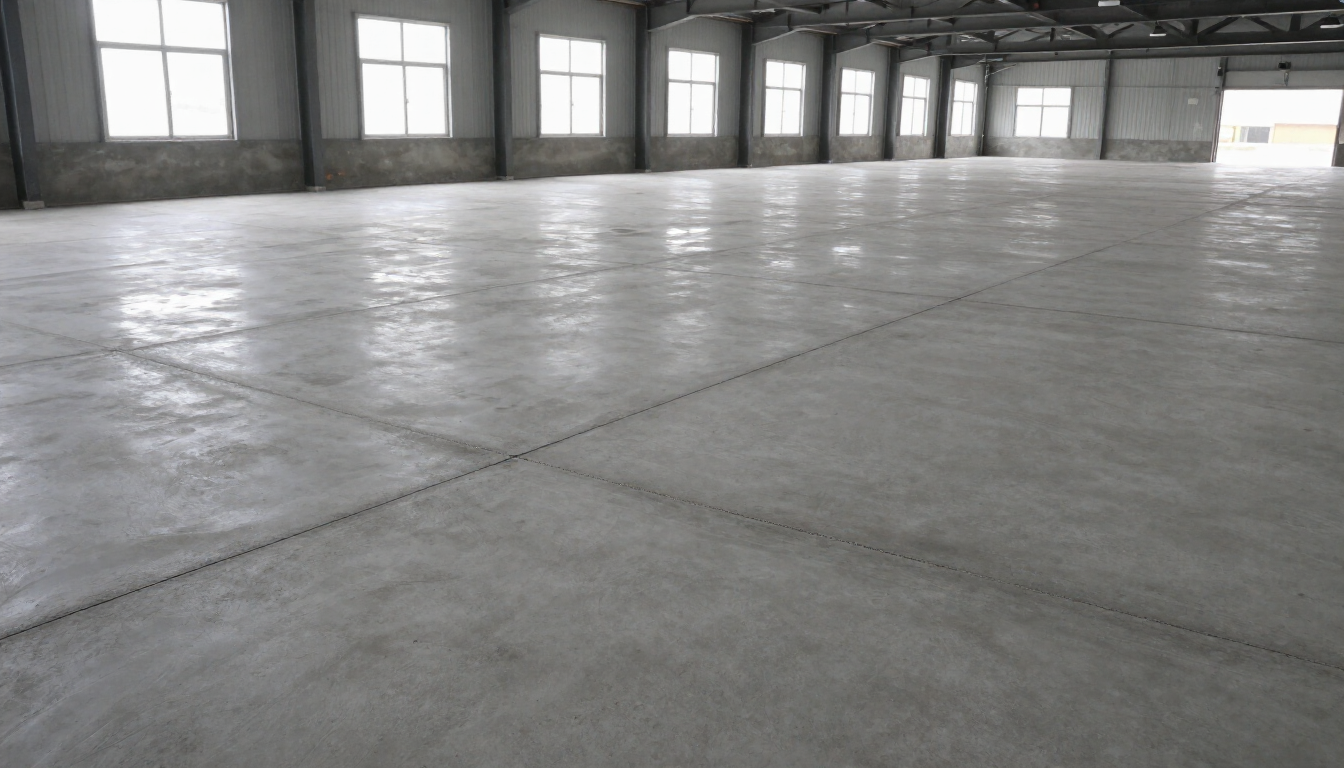
THE APPLICATION
Where this service fits
Concrete flooring can form a structural slab or a wearing surface, depending on the design. Thickness, reinforcement, joints, curing and surface finish should be specified before pouring.
- Warehouses and workshops
- Parking areas and service yards
- Residential slabs and utility spaces
THE WORK
A typical scope, clearly defined
Use this sequence to discuss your requirements. The final specification depends on a site assessment and any relevant design.
- 01
Confirm loads, levels and slab design with the responsible engineer.
- 02
Prepare the base, membranes, reinforcement and formwork.
- 03
Place, compact and finish concrete to the agreed specification.
- 04
Cure the slab and form joints at the specified time.
BEFORE YOU APPOINT A CONTRACTOR
What to check in a proposal
- Concrete mix and reinforcement design
- Flatness, falls and finished-floor levels
- Joint layout and curing method
- Time before traffic or floor coatings
Ask for inclusions and exclusions in writing, including preparation, access, protection, disposal and handover. Check the qualifications and approvals relevant to the work; no price or completion time can be established from a generic guide.
Read the project-brief checklistCOMMON QUESTIONS
Concrete flooring: frequently asked questions
How long before a concrete floor can be coated?
There is no single safe waiting period. Concrete curing, moisture readings and the coating manufacturer’s requirements determine readiness; elapsed time alone is not enough.
Does every concrete floor need joints?
Joint requirements depend on slab design and restraint. Ask the engineer or flooring specialist to specify construction, contraction and isolation joints rather than leaving their positions to chance.
FURTHER READING
Make a more informed decision
LOCATION GUIDES
Concrete flooring across Saudi Arabia
Each city guide addresses local planning considerations. Confirm the actual site conditions and requirements before starting work.